
Day 1 :
Keynote Forum
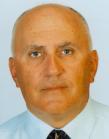
Veselin Borisov Demirev
Technical University, Bulgaria
Keynote: Spatial correlated microwave technologies: The future of the broadband mobile communications
Time : 09:30-10:10
Biography:
Veselin Borisov Demirev has completed his MS degree in radio-engineering, Higher Institute of Electrical and Mechanical Engineering (now Technical University-Sofia, TU-S with a specialization in the fields of microwaves, antennas and radar in 1971 and PhD degree in TU-S with thesis on “Radar signal processing antennas” in 1981. He has graduated a course in “Land mobile communications”, USTTI and Motorola, USA in 1994 and many others. He was a Research Engineer at Institute for Radioelectronics and Optics, Sofia from 1973 to 1974; Researcher and Senior Researcher at Microwave Devices and Systems (MDS) research laboratory, TU-S from 1976 to 1993; Head of EMC and Radio-communication department at Committee of Post and Communications, Sofia from 1993 to 1998; Professor in Faculty of Communications, TU-S since 1998 and Research Project Manager in Sky Gate-BG Ltd. on second contract from 2001 to 2003. He has about 100 scientific reports and papers, 15 patents and is author and coauthor of 3 books in Bulgarian. He has been engaged for more than 47 years research and education activity in the field of Microwave devices and systems; Broadband mobile satellite and terrestrial communications; Radar and navigation systems; Signal processing antennas and Spread spectrum systems
Abstract:
Spatial correlated microwave technologies: The future of the broadband mobile communications is a concise and yet comprehensive report on the subject of proposed by the author two new beam-forming communication principles named Spatial Correlated Processing (SCP) and Random Phase Spread Coding (RPSC). The report is logically divided into two parts. The first is SCP and RPSC technology fundamentals and the second contains their applications. In introduction a short background for the importance, advantages and disadvantages of the Radio communications is given, as well as the authors proposals for solving the existing problems; In SCP technology the author discusses the fundamentals of the microwave high gain antenna systems, tracking communication satellites in angular coordinates (in receive mode). The basic principles of the proposed SCP beam-forming technology are considered too; In RPSC technology the author introduces an essential basic knowledge of the SCP technology in transmit mode (RPSC); The advantages over the conventional broadband spread spectrum and beam-forming principles for transmission of information, as well as description of the proposed RPSC Multiple Access techniques, are discussed too; SCP-RPSC technology in the next generation satellite broadcasting systems comprises all the particulars about the application of SCP technology in satellite broadcasting using Geostationary orbits (GSO) and Quasy-GEO orbits. These applications are particular useful for mobile TV reception and the developing countries; SCP-RPSC-the key technology in the next generation steerable lines for satellite communications describes the applications of SCP-RPSC approach in the steerable satellite feeder lines of the onboard public access broadband communications, in the steerable inter satellite and inter orbit feeder lines, as well as in the backbone of the terrestrial base stations for mobile communications and IP LAN; SCP-RPSC technology in the next generation Mobile Satellite Service (MSS) presents the application of SCP-RPSC principles, solving the problems of the Vehicle-Mounted Earth Stations (VMES), operating currently on conventional Ku and Ka frequency bands; SCP-RPSC technology in 5-G access strategies comments the possibilities and advantages of SCP-RPSC terrestrial and High Altitude Platform Systems (HAPS), used both in fixed and mobile communication environment. SCP-RPSC in 5-G Coherent Transponding Systems (CTS) gives a presentation of the 5-th generation short range mobile networks, applied for improved support of machine to machine communication (Internet of Things - IoT). Here the “magic” properties of the SCP-RPSC technology, applied in the future sophisticated CTS,s, are discussed.
Keynote Forum
Guolin Sun
University of Electronic Science and Technology of China, China
Keynote: Resource slicing and customization in 5G RAN with dueling deep Q-Network
Time : 10:10-10:50

Biography:
Guolin Sun has completed his B.S., M.S. and Ph.D. degrees all in Communication and Information Systems from the University of Electronic Science and Technology of China (UESTC), Chengdu, China, in 2000, 2003 and 2005 respectively. Since graduated with Ph.D. in 2005, he has got eight years industrial work experience on wireless research and development for 4G/5G, Wi-Fi, Internet of Things, Cognitive radio, Localization and navigation. Before he joined the School of Computer Science and Engineering, UESTC as an Associate Professor in Aug. 2012, he worked in Huawei Technologies Sweden. He has filed over 40 patents, and published over 40 scientific conference and journal papers, acts as TPC member of conferences. Currently, he serves as a vice-chair of the 5G oriented cognitive radio special interest group of the IEEE Technical Committee on Cognitive Networks (TCCN) of the IEEE Communication Society. His general research interests include artificial intelligence, radio resource management, software defined networks, network function virtualization.
Abstract:
The emerging future generation 5G technology is expected to support service-oriented virtualized networks where different network applications provide unique services. 5G networks have the potential to allow completely different slices to co-exist in a substrate network and satisfy the differentiated requirements of various users. In networks with heterogeneous traffics, operators are required to provide services in isolation since each operator has its own defined performance requirements. However, achieving an efficient resource provisioning mechanism for such traffics is very challenging. We proposes a coarse resource provisioning scheme and a dynamic resource slicing refinement scheme based on dueling deep reinforcement learning for virtualized radio access network. Then, a shape-based resource allocation algorithm is proposed to customize the diverse requirements of users to improve user satisfaction and resource utilization. The results reveal that the proposed algorithm balances satisfaction and resource utilization with 80% of the available resources. The algorithm also provides performance isolation such that, a sudden change in user population in one slice does not affect the others.
Keynote Forum
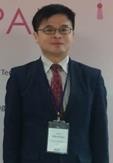
Shih-Chi Chan
Hsiao Chung-Cheng Healthcare Group, Taiwan
Keynote: An electrolysis micropump’s development and potential applications
Time : 11:10-11:50
Biography:
Shih-Chi Chan has completed his PhD at National Tsing Hua University and research work from IRCAD Taiwan. He got the Outstanding Chemical Engineering Article of the Year 2010, Oct. 2010. Since March 2018, he has been a Researcher in the Hsiao Chung-Cheng Healthcare Group, Taiwan, Republic of China. He presently works at the Hsiao Chung-Cheng Healthcare Group, where he focuses on the development of the microsystems and Bio-ultrasound.
Abstract:
Through decades of developing micropumps in the MEMS field, a new micropump design should not only focus on performance and function, but should also target the ability to be integrated into BioMEMS system chips for the achievement of versatile applications. For this reason, a new micropump design, possessing the potential to integrate with various developed microdevices, has considerable value. This study proposes a new electrolysis micropump, featuring low power consumption and heat pipe-like back and forth actuation. It is believed that such design would have large potential to integrate with varied microfluidic devices. It is also believed that the combination of our micropump and an embedded microfluidic array probe matches the future trend of BioMEMS development, and provides a high quality tool for further study of medical tests involving biological samples.
- Wireless Communication | Telecommunication | Internet of Things (IoT) | Mobile and Wireless Network | Ad Hoc and Sensors Networks | 5G and Beyond | Technology for Wireless
Location: Rome, Italy

Chair
Guolin Sun
University of Electronic Science and Technology of China, China
Session Introduction
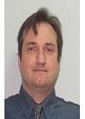
François Jeanjean
Orange, France
Title: Technical progress reduces the degree of competition that maximizes investment in innovation
Biography:
François Jeanjean has completed his PhD from Montpellier University. He is a senior searcher in economics in the department of the regulatory affairs of Orange, a major telecommunication operator. He has both a technical and an economic experience, as he managed a leased lines installation service. He has published more than 10 papers in reputed journals.
Abstract:
The relationship between competition and investment is generaly characterized by an inverted U relationship. The position of these curves and, in particular their maximum, i.e, the degree of competition that maximizes investment, depends on the degree of technical progress that characterizes each industry. Industries experiencing a high degree of technical progress, as information technologies, maximize their investments in innovation for lower degrees of competition than other industries. Sectoral and competition authorities should take this into account for the regulation of competition. Information technologies should not be regulated as brick and mortar industries as claimed by a former European commissioner for competition.
Liubov Kost
Shemyakin-Ovchinnikov Institute of Bioorganic Chemistry-RAS, Russia
Title: Towards the improvement of red voltage sensor
Time : 12:20-12:50
Biography:
Liubov Kost has completed her Graduation from Pirogov Russian National Research Medical University, Faculty of Biomedicine, Department of Medical Biophysics in 2014. Currently, she is a pursuing her PhD in Molecular Biology at Shemyakin-Ovchinnikov Institute of Bioorganic Chemistry, Moscow. Her research interests include the development of the enhanced fluorescent proteins and genetically encoded sensors based on them.
Abstract:
Genetically encoded voltage indicators (GEVIs) represent a promising tool for the neurophysiology experiments. Namely, they would become a probe of choice for electric activity monitoring from the specifically targeted cell populations or even at the live organism level. However, GEVIs practical characteristics remain suboptimal for in vivo-studies and are being permanently improved. GEVI molecule usually consists of the three structural units: voltage-sensing domain, fluorescent protein and amino acid linker between them. Generally, each of the mentioned units can determine the performance of a particular indicator, and thus engineering of the improved GEVI could imply the modification of any part of it. Here we use two parallel strategies to enhance VSD-FR189-188, recently described red fluorescent protein-based voltage indicator. On one hand, we have modified amino acid content and length of the linker which connects Ci-VSP voltage-sensing domain with the FusionRed-derived fluorescent unit. Our experiments revealed that some variants with shorter linker demonstrated dramatically enhanced (up to 30-fold) responsiveness relative to the parental GEVI, though almost unchanged or slightly decreased dynamic range. To address the modest dynamic range issue, we implemented the second strategy implying the fluorescent core modification. FusionRed protein, which forms VSD-FR189-188 fluorescent core, is known to have a partially cleaved polypeptide chain. We supposed that the chain break might decrease the chromophore conformational sensitivity within the GEVI construct thus limiting response dynamic range. X-ray data on the FusionRed structure obtained recently point to a key role of Cys158 residue in the bond cleavage. Based on this hypothesis, we designed FusionRed mutants (C158L, A157/C158L) which remain spectrally similar to the original protein but didn’t show chain cleavage. These mutants are of interest as new fluorescent units for GEVIs.
Upena Dalal
Sardar Vallabhbhai National Institute of Technology, India
Title: Cellular planning and optimization for 5G heterogeneous networks
Biography:
Upena Dalal is an Associate Professor and Associate Dean in Faculty welfare, at SVNIT, Surat, India. She is an ex-Head of Department, Department of Electronics Engineering and Ex-Chair, IETE Surat Chapter. She is an author of a number of books and 150 plus papers published in international journals and conference proceedings. She has also delivered keynote speeches at various international conferences. She has recently published a book on Wireless and Mobile Communication from Oxford University Press, India and currently working for a book on 5G Technologies.
Abstract:
Heterogeneous networks include femtocells, picocells, microcells, macrocells etc. It deals with different types of wireless networks like, WiFi, LTE, WSN above which Internet of things is implemented. It is required to have the cellular planning in order to eliminate interference and optimize power requirements. There are various ways we can analyze the cellular division theoretically which may be converted into practical deployment of tower or access point. Planning helps capacity enhancement and better spectral management as well. The evolution of smartphones has navigated the user's concern towards more mobile based services and utilities including conversational services, internet, navigation services, personal networking, automation and control using various applications, sensing applications, media etc. The cellular networks need proper planning, roll-out and optimization. Various techniques, mathematical models, and tools are used for attaining the common minimum requirements of optimization between coverage, capacity and cost. Some of the soft computing techniques are also used. Few points which are to be covered in this paper: deployment strategies for LTE and LTE-A, heterogeneous network architectural studies, quantitative study on deployment algorithms, optimization and its impact on radio networking dimensioning, few mathematical models for division of area for cellular planning along with co-operative communication support
Upena Dalal
Sardar Vallabhbhai National Institute of Technology, India
Title: Cellular planning and optimization for 5G heterogeneous networks
Biography:
Upena Dalal is an Associate Professor and Associate Dean in Faculty welfare, at SVNIT, Surat, India. She is an ex-Head of Department, Department of Electronics Engineering and Ex-Chair, IETE Surat Chapter. She is an author of a number of books and 150 plus papers published in international journals and conference proceedings. She has also delivered keynote speeches at various international conferences. She has recently published a book on Wireless and Mobile Communication from Oxford University Press, India and currently working for a book on 5G Technologies.
Abstract:
Heterogeneous networks include femtocells, picocells, microcells, macrocells etc. It deals with different types of wireless networks like, WiFi, LTE, WSN above which Internet of things is implemented. It is required to have the cellular planning in order to eliminate interference and optimize power requirements. There are various ways we can analyze the cellular division theoretically which may be converted into practical deployment of tower or access point. Planning helps capacity enhancement and better spectral management as well. The evolution of smartphones has navigated the user's concern towards more mobile based services and utilities including conversational services, internet, navigation services, personal networking, automation and control using various applications, sensing applications, media etc. The cellular networks need proper planning, roll-out and optimization. Various techniques, mathematical models, and tools are used for attaining the common minimum requirements of optimization between coverage, capacity and cost. Some of the soft computing techniques are also used. Few points which are to be covered in this paper: deployment strategies for LTE and LTE-A, heterogeneous network architectural studies, quantitative study on deployment algorithms, optimization and its impact on radio networking dimensioning, few mathematical models for division of area for cellular planning along with co-operative communication support
Sheta M Sheta
Inorganic Chemistry Department, National Research Centre, Egypt
Title: Ultrasensitive optical biosensor for cardiac troponin I biomarker based on Mn-MOF
Biography:
Sheta M Sheta is a Researcher at National Research Centre, Inorganic Chemistry Department, Giza, Egypt. He has obtained his BSc and Master’s degrees in Applied Chemistry from Helwan University, Egypt in 2004 and 2010, respectively. He has obtained his PhD in Inorganic-Analytical Chemistry from Ain Shams University, Egypt in 2015. He joined the National Research Centre, Egypt in 2013. He is the Technical Manager in Family Medical Laboratory, Giza, Egypt since 2008. He serves as an Editorial Board Member and Reviewer of many reputed international journals. He has published 11 papers in reputed journals.
Abstract:
For the first time, a simple, fast technique, costless, room temperature, high accuracy, sensitivity and selectivity optical biosensor for cardiac troponin I (cTn) as an early test for myocardial infarction diagnosis could be addressed. It is also facilitated and helped an emergency departments (EDs) decision-making in patients with chest pain. A manganese metal-organic framework (Mn-MOF) synthesized via a simple method, and then fully characterized. A photoluminescence (PL) study based on Mn-MOF aganist cTn was investgated. The results showed that the Mn-MOF exhibited a strong emission at 422 nm with excitation at 300 nm at room temperature. Upon addtion of cTn a redshift with remarkable quenching carried out and new emission band appaeared at 397 nm. By applying the Stern-Volmer graph a linear correlation achieved over a concentration range 0.01-25 pg/mL of cTn with a correlation coefficient, 0.989, limit of detection and quantitation 0.01 pg/mL and 0.03 pg/mL, respectively. According to the significant quenching and redshift of the Mn-MOF PL intensities upon using different cTn concentrations was revealed. The Mn-MOF may be used successfully as optical biosensor for cTn in different biological samples (serum, plasma and whole blood). Moreover, the Mn-MOF showed a high selectivity towards cTn competing with other different interfering analytes. The quenching mechanism well studied and it has a dynamic type and obtained due to the energy transfer mechanism.
Fabio D’Andreagiovanni
Sorbonne University, France
Title: Strong and stable optimization approaches to wireless network design
Biography:
Fabio D’Andreagiovanni has completed his M.Sc. in Industrial Engineering in 2006 and Ph.D. in Operations Research in 2010 from the University of Rome Sapienza. Since 2016, he has been a First Class Research Scientist in the French National Center for Scientific Research (CNRS) and at the Laboratory ‘‘Heudiasyc’’ of UTC-Sorbonne University. From 2008 to 2009, he was a Research Scholar at the Department of Industrial Engineering and Operations Research of Columbia University in the City of New York. Until 2016, he was the Head of Research Group at the Department of Mathematical Optimization of Zuse Institute Berlin. He was also Lecturer at the Department of Mathematics and Computer Science, Free University of Berlin, and at the Faculty of Engineering of Technical University of Berlin. He has worked as consultant for several major European telecommunications and electric utility companies. His research has been focused on theory and applications of robust optimization and mixed integer programming and, besides having been published in premier scientific journals and in proceedings of top international conferences, has received many awards, such as the Accenture M.Sc. Prize 2006, the INFORMS Telecom Ph.D. Award 2010,the INFORMS Telecom Best Paper Award 2014, the RNDM Best PaperAward 2017, the EvoStar-EvoApplications Best Paper Award 2018, and the ICIN Best Paper Award 2018.
Abstract:
The Wireless Network Design Problem (WND) consists in establishing the location and the radio-electrical configuration of the transmitters that constitute a wireless network, in order to maximize a revenue function associated with service coverage of user devices located in a target area.Because of the impressive growth and evolution experienced by wireless communications in recent times, solving the WND has become a very challenging task, which requires the adoption of sophisticated mathematical optimization methods. Classical optimization models for the WND correspond to Mixed-Integer Linear Programming Problems (MILPs) that directly include signal-to-interference quantities and the notorious big-M coefficients to model disjunctive constraints. Such MILPs have been widely used in different application contexts, such as 5G, LTE and DVB-T, as they allow to easily model the WND. However, such MILPs present heavy numerical drawbacks that greatly limit their use in real planning. In practice, optimal solutions may be computed only in the case of small-sized instances, while, for large real-life instances, even finding feasible solutions may constitute a hard task for state-of-the-art optimization solvers. Furthermore, solutions may contain coverage errors. In order to tackle such computational issues, we discuss how we can exploit the combinatorial structure of the WND to define Pure 0-1 Linear Programming formulations, which prove strong from a polyhedral point of view and stable from a numerical point of view, thus allowing to greatly increase the capacity of solving real WND instances and to find high quality solutions without coverage errors. Our contributions are strongly based on our direct experience with realistic WND instances, considered in industrial partnership (e.g., with British Telecom Italia and Agcom, the Italian Authority for Telecommunications).
Shih-Chi Chan
Hsiao Chung-Cheng Healthcare Group, Taiwan
Title: An electrolysis micropump’s biomedical applications
Biography:
Shih-Chi Chan has completed his PhD at National Tsing Hua University and research work from IRCAD Taiwan. He got the Outstanding Chemical Engineering Article of the Year 2010, Oct. 2010. Since March 2018, he has been a Researcher in the Hsiao Chung-Cheng Healthcare Group, Taiwan, Republic of China. He presently works at the Hsiao Chung-Cheng Healthcare Group, where he focuses on the development of the microsystems and Bio-ultrasound.
Abstract:
In recent years, diagnostic screening has drawn increasing attention. The advantages of BioMEMS technology include low fabrication cost, low sample consumption, and a rapid reaction rate suitable for point-of-care testing. Processing samples and reagents in array form could provide a breakthrough for clinical medicine and drug delivery development. Many studies have been conducted on the microprobe for biological applications, but most of them, such as the work of Professor Wise's team, focused solely on electrode probes for electrophysiology applications. However, attention to treatment requirements and microprobe design with flow channels is preferable. It has the capacity for drug delivery; furthermore, it is superior in long-term medicine injections and medicine gradient generation.
Omid Panahi
Yeditepe University, Turkey
Title: Information technology and its application in Dentistry
Biography:
Omid Panahi , Graduated from Centro Escolar University on 2013 in field of Doctor of Dental Mediciene( DMD), and MSc Oral and maxillofacial surgery at yeditepe university, Istanbul, turkey. He has published more than 40 papers in reputed journals & Conferences and has been serving as an editorial board member of isi journals.
Abstract:
Nowadays, the use of digital equipment and information technology (IT) has increased in dental offices. It significantly requires sufficient knowledge of dentists on computer sciences and digital dental programs. Modern technologies are replaced to traditional dental treatments, and advances in information technology enabled the dentists to work with digital technologies including digital radiography, wireless networks to transmit and store data which is convenient for both dentist and patient, cone beam computed tomography (CBCT), offering volumetric data on jaw bones and teeth with relatively low radiation doses and costs, archiving and recording information of patients for an easy access of the dentist and queue management system which is an important factor in saving the patients’ time.This study aimed to investigate the role of information technology in dentistry, and its advantages, limitations and strategies to improve the use of this technology and applicable programs in dental offices. It should be noted that the use of information technology in dentistry plays an important role in improving the therapeutic efficiency, and therefore dentists must have the required knowledge to select and apply the related tools.